No Natty Marketplace
NoNatty
Home / Products / RETATRUTIDE · 12 / 24 MG | Pérdida de Peso de Próxima Generación / RETATRUTIDE · 12 / 24 MG | Pérdida de Peso de Próxima Generación
RETATRUTIDE · 12 / 24 MG | Pérdida de Peso de Próxima Generación

Product Details

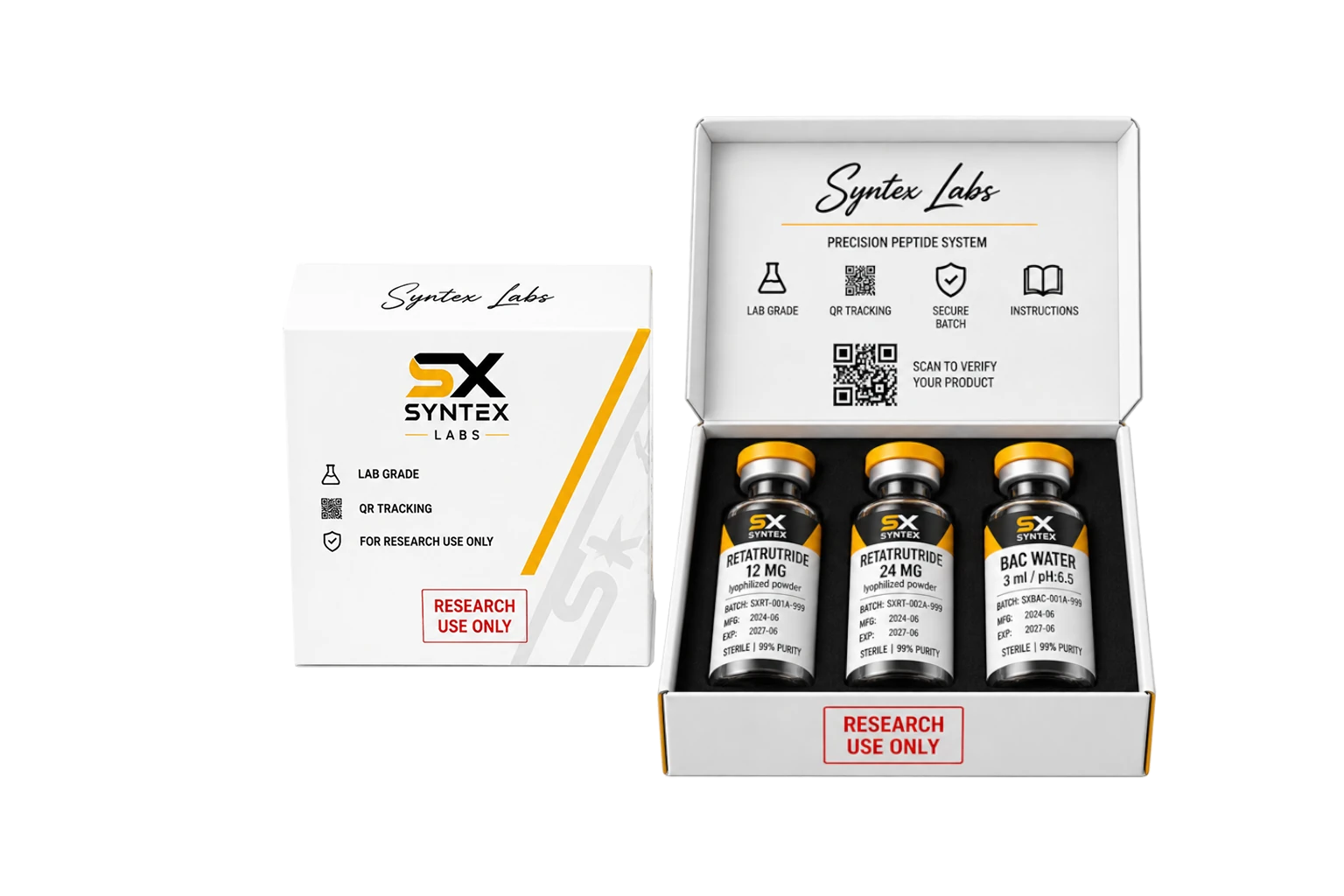
  • Technical Name: Retatrutide 12 mg / 24 mg, Polvo Liofilizado para Investigación
  • Laboratory / Brand: Syntex Labs
  • Active Ingredient (INN): Retatrutide (Acetato de Retatrutide)
  • Pharmaceutical Form: Polvo Liofilizado para Solución Inyectable
  • Concentration: 12 mg / 24 mg por vial
  • CAS Number: 2401243-45-2
  • Internal SKU: SKU-RETATRUTIDE-12-24MG-2401243452
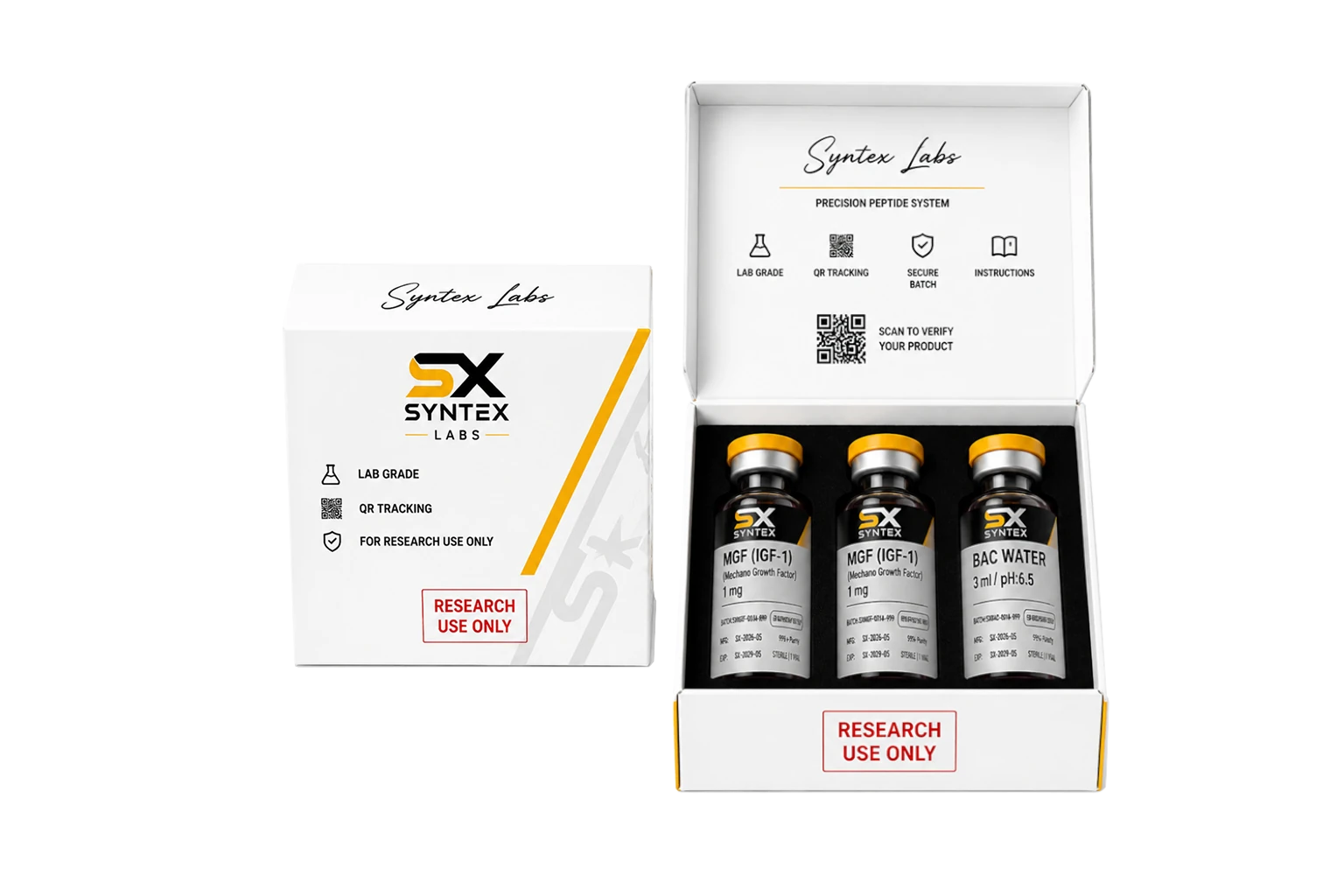
Syntex Labs Retatrutide (Acetato de Retatrutide) Polvo Liofilizado para Solución Inyectable CAS: 2401243-45-2
Thumbnail
Product · peptidos

RETATRUTIDE · 12 / 24 MG | Pérdida de Peso de Próxima Generación

Upgraded Formula New Release Metabolic Health Longevity & Performance

10 Servings Per Container: US$10.00 / serving

(No reviews)
US$99.99 USD
In stock (10,000 piece)
Retatrutide is a triple agonist of the glucose-dependent insulinotropic polypeptide (GIP), glucagon-like peptide-1 (GLP-1), and glucagon receptors . It is the next generation of metabolic therapies, evolving the mechanism behind medications such as Ozempic®, Wegovy®, Mounjaro®, and Zepbound® by adding a third hormonal pathway . It reduces hunger, increases satiety, and speeds metabolism toward a more defined body composition with less stored fat. The problem it solves: Unlike other agents that address only one or two weight control mechanisms, Retatrutide acts on three complementary biological pathways, offering a more comprehensive strategy for fat reduction and body composition optimization.

Retatrutide is a triple agonist of the glucose-dependent insulinotropic polypeptide (GIP), glucagon-like peptide-1 (GLP-1), and glucagon receptors. It is the first triple agonist of its kind, designed to maximize weight loss through complementary hormonal pathways. Reduces hunger, increases satiety, and speeds metabolism toward a more defined body composition. Phase 3 trials have demonstrated weight loss of up to 28.3% at 80 weeks and 30.3% at 104 weeks in patients with BMI ≥35. Lab grade with purity ≥99% by HPLC-MS. Each vial contains 12 mg or 24 mg of Retatrutide as sterile lyophilized powder, designed for in vitro and animal model scientific research. Manufactured under strict GMP standards, with complete batch traceability and Certificate of Analysis available. SKU: SKU-RETATRUTIDE-12MG or SKU-RETATRUTIDE-24MG. CAS: 2401243-45-2. Store at 2-8°C in a dry place protected from light.

Primary Benefit: Appetite Control and Weight Loss

At its core, Retatrutide is designed to maximize weight loss through complementary hormonal pathways . It acts like GLP-1 agonists to reduce hunger and increase feelings of satiety, facilitating effortless caloric deficit. The response rate is high: 92% of participants in the phase 2 trial achieved at least 5% weight loss . Phase 3 TRIUMPH-1 trials have demonstrated unprecedented results: at the highest dose (12 mg), participants lost a mean of 28.3% of their body weight (approximately 70.3 lbs) at 80 weeks . In a subgroup of patients with BMI ≥35 who continued treatment to week 104, weight loss reached 30.3% (~85 lbs) . In the TRANSCEND-T2D-1 trial in patients with recent-onset type 2 diabetes, weight loss reached up to 16.8% (36.6 lbs) with HbA1c reduction of up to 2 percentage points .

Secondary Benefits: Metabolism, Body Composition, and Cardiovascular Health

Retatrutide's triple action on GIP, GLP-1, and glucagon receptors offers additional benefits that directly impact metabolic health, body composition, and cardiovascular health:

Increased Metabolism and Fat Burning: The incorporation of glucagon receptor agonism stimulates energy expenditure and lipid oxidation (fat burning), promoting a faster metabolism that goes beyond simple caloric restriction . Preclinical research has demonstrated that Retatrutide goes beyond caloric restriction to actively reverse adipose tissue dysfunction, modulating key pathways involved in lipid handling, inflammation, and energy expenditure .

Improved Body Composition: It has been shown to produce clinically significant reductions in weight, waist circumference, and visceral fat, while preserving metabolic function . In the TRIUMPH-3 trial, waist circumference reduction reached 7.5 inches (19.0 cm) .

Improved Lipid Profile and Cardiovascular Health: Retatrutide has demonstrated improvements in multiple cardiovascular risk factors. In the TRANSCEND-T2D-1 trial, reductions of up to 39.6% in triglycerides, 19.8% in non-HDL cholesterol, 6.4 mmHg in systolic blood pressure, and 4.9 inches (12.4 cm) in waist circumference were observed . In TRIUMPH-3, the highest dose produced mean reductions of 37.0% in triglycerides, 16.5% in non-HDL cholesterol, 9.3 mmHg in systolic blood pressure, and 51.2% in high-sensitivity C-reactive protein (hs-CRP) .

Pairing Strategy: Retatrutide

Retatrutide is typically administered as a standalone agent for appetite control and weight loss. Its combination with an appropriate resistance training protocol, controlled nutrition, and moderate caloric deficit can potentiate and accelerate fat loss and body composition improvement effects. Combination with other agents affecting the incretin system is not recommended without proper supervision.
Subscribe Offer Save 10% on your purchase US$89.99 US$99.99 -10%
One-time purchase One-time payment, no commitment US$99.99
First purchase Save 5% on your first purchase US$94.99 US$99.99 -5%
Secure payment
Free shipping over $75*
Money back guarantee
Rating 4.8/5
View full event

RETATRUTIDE · 12 / 24 MG | Pérdida de Peso de Próxima Generación

Retatrutide: Pérdida de Peso de Próxima Generación

Para el atleta, el culturista y cualquier persona que busca un control efectivo del apetito y una pérdida de peso sin precedentes, Retatrutide representa el avance más revolucionario en terapias metabólicas. Este agonista triple de los receptores GIP, GLP-1 y glucagón reduce el hambre, aumenta la saciedad y acelera el metabolismo hacia una composición corporal más definida.

Beneficio Principal: Control del Apetito y Pérdida de Peso

Retatrutide activa simultáneamente tres vías hormonales complementarias, maximizando la pérdida de peso. Los ensayos clínicos fase 3 han demostrado:

Pérdida de peso del 28.3% después de 80 semanas con la dosis de 12 mg .

Pérdida de peso del 30.3% en pacientes con IMC ≥35 después de 104 semanas .

El 92% de los participantes lograron al menos un 5% de pérdida de peso .

Resultados que rivalizan con la cirugía de bypass gástrico .

Beneficios Adicionales: Metabolismo y Salud Cardiovascular

Aumento del Metabolismo: La activación del receptor de glucagón estimula el gasto energético y la oxidación de lípidos .

Mejora de la Composición Corporal: Reducción de la circunferencia de la cintura de hasta 7.5 pulgadas .

Mejora del Perfil Lipídico: Reducción de triglicéridos de hasta el 39.6% y mejora del colesterol .

Salud Cardiovascular: Reducción de la presión arterial y de los marcadores inflamatorios .

Ideal para la Pérdida de Peso Extrema y la Mejora Metabólica

Retatrutide es la elección perfecta para ciclos de pérdida de peso extrema y mejora metabólica, donde el objetivo es controlar el apetito, reducir la ingesta calórica y mejorar la composición corporal. Su mecanismo de acción triple lo convierte en el agente más potente de su clase.
Key Benefits of Retatrutide Effortless Appetite Control and Satiety Retatrutide acts on hunger centers in the brain, decreasing caloric intake by increasing feelings of fullness and reducing cravings . The response rate is exceptionally high: 92% of participants in the phase 2 trial achieved at least 5% weight loss . This appetite control facilitates dietary adherence and fat loss without the side effects of traditional stimulants. Unprecedented Weight Loss Phase 3 TRIUMPH-1 trials have demonstrated results that rival bariatric surgery. At the highest dose (12 mg), participants lost a mean of 28.3% of their body weight (approximately 70.3 lbs) at 80 weeks . In a subgroup of patients with BMI ≥35 who continued treatment to week 104, weight loss reached 30.3% (~85 lbs) . 45.3% of participants in the 12 mg dose achieved 30% or greater weight loss, a threshold historically associated with bariatric surgery . Additionally, 65.3% of participants reduced their weight below the obesity threshold (BMI < 30 kg/m²) . Increased Metabolism and Fat Burning The incorporation of glucagon receptor agonism stimulates energy expenditure and lipid oxidation (fat burning), promoting a faster metabolism that goes beyond simple caloric restriction . Preclinical research has demonstrated that Retatrutide goes beyond caloric restriction to actively reverse adipose tissue dysfunction, modulating key pathways involved in lipid handling, inflammation, and energy expenditure . This additional mechanism contributes to sustained weight loss and improved body composition. Improved Body Composition and Visceral Fat Reduction Retatrutide has been shown to produce clinically significant reductions in weight, waist circumference, and visceral fat, while preserving metabolic function . In the TRIUMPH-3 trial, waist circumference reduction reached 7.5 inches (19.0 cm) . Abdominal fat loss is particularly beneficial for metabolic health and aesthetics, as visceral fat is associated with increased cardiovascular and metabolic risk. Improved Lipid Profile and Cardiovascular Health Retatrutide has demonstrated improvements in multiple cardiovascular risk factors. In the TRANSCEND-T2D-1 trial, reductions of up to 39.6% in triglycerides, 19.8% in non-HDL cholesterol, 6.4 mmHg in systolic blood pressure, and 4.9 inches (12.4 cm) in waist circumference were observed . In TRIUMPH-3, the highest dose produced mean reductions of 37.0% in triglycerides, 16.5% in non-HDL cholesterol, 9.3 mmHg in systolic blood pressure, and 51.2% in high-sensitivity C-reactive protein (hs-CRP) . In a prespecified analysis, an 18% reduction in major adverse cardiovascular events (MACE-5) was observed compared to placebo (HR: 0.82) . Glycemic Control and Diabetes Risk Reduction In the TRANSCEND-T2D-1 trial in patients with recent-onset type 2 diabetes, Retatrutide achieved HbA1c reduction of up to 2 percentage points . Up to 90% of participants on Retatrutide reached an A1C below 7.0%, up to 85% reached 6.5% or below, and up to 46% achieved an A1C below 5.7%, the threshold for normoglycemia . Durable and Sustained Results Weight loss with Retatrutide continued to deepen beyond Week 80. In the subgroup of patients who continued with the highest dose to Week 104, weight loss reached 30.3% . In the TRANSCEND-T2D-1 trial, weight loss did not reach its maximum magnitude by the end of 40 weeks, suggesting that continued treatment could produce even greater reductions
Function and Mechanism of Action of Retatrutide Retatrutide is a triple agonist of the glucose-dependent insulinotropic polypeptide (GIP), glucagon-like peptide-1 (GLP-1), and glucagon receptors . It is the first triple agonist of its kind, designed to maximize weight loss through complementary hormonal pathways. The incorporation of glucagon receptor agonism is the key innovation that differentiates it from its predecessors, as it stimulates energy expenditure and lipid oxidation . Detailed Mechanism of Action: GIP Receptor Activation: Retatrutide binds and activates the GIP receptor on pancreatic beta cells, stimulating glucose-dependent insulin secretion . GIP also acts on adipose tissue to promote fatty acid uptake and improve insulin sensitivity. GIP receptor activation contributes to glycemic control and energy metabolism regulation. GLP-1 Receptor Activation: Retatrutide binds and activates the GLP-1 receptor, stimulating glucose-dependent insulin secretion, suppressing glucagon release, delaying gastric emptying, and reducing appetite . GLP-1 receptor activation also promotes satiety and reduces caloric intake by acting on hunger centers in the brain . Glucagon Receptor Activation: The incorporation of glucagon receptor agonism is Retatrutide's key innovation. Glucagon acts on the liver to stimulate gluconeogenesis and glycogenolysis, and on adipose tissue to stimulate lipolysis and fatty acid oxidation . This activation increases total energy expenditure and promotes fat burning as an energy source, contributing to weight loss beyond simple caloric intake reduction . Synergistic Effect of Triple Activation: Simultaneous activation of GIP, GLP-1, and glucagon receptors produces a synergistic effect that potentiates glycemic control, promotes greater weight loss, and improves metabolic dysfunction compared to single or dual receptor activation . This triple mechanism explains Retatrutide's superiority in weight loss compared to other agents in the same class. Reversal of Adipose Tissue Dysfunction: Preclinical research has demonstrated that Retatrutide goes beyond caloric restriction to actively reverse adipose tissue dysfunction, modulating key pathways involved in lipid handling, inflammation, and energy expenditure . Comparison with GLP-1 and GIP/GLP-1 Agonists: Retatrutide has demonstrated greater weight loss compared to GLP-1 agonists (semaglutide) and dual GIP/GLP-1 agonists (tirzepatide). In phase 3 trials, Retatrutide achieved 28.3% weight loss at 80 weeks , compared to 20.9% for tirzepatide and 18.7% for semaglutide
How to Use Retatrutide Route of Administration: Injectable via subcutaneous (SC). Subcutaneous administration is the standard method for Retatrutide, allowing gradual and constant absorption. Injection sites should be rotated (abdomen, thigh, gluteal region) to avoid local irritation and ensure uniform absorption. Reconstitution: The product is presented as a lyophilized powder in a sterile vial. It must be reconstituted with bacteriostatic water for injection (or sterile water for injection) before use. Add the diluent slowly, gently swirling the vial to dissolve the powder. Do not shake vigorously to avoid peptide degradation. Research Protocol: Dosage and frequency must be determined by the researcher according to protocol goals. Common research protocols for Retatrutide use: Dose: 2-12 mg per administration, 1 time per week . Dose Escalation: Begin with a low dose (2 mg) and gradually increase in 2 mg steps every 4 weeks until reaching the target dose (4 mg, 9 mg, or 12 mg) . Frequency: Weekly administration for 4-16 weeks to achieve desired results. Timing of Administration: Administer once weekly, preferably on the same day each week, with or without food. Storage: The lyophilized powder should be stored in a cool, dry place, protected from light and at controlled temperature (2-8°C). Once reconstituted, it must be refrigerated (2-8°C) and used within 30 days. RESEARCH USE ONLY
Ingredients of Retatrutide Active Ingredient: Retatrutide (Retatrutide Acetate): A triple agonist of the glucose-dependent insulinotropic polypeptide (GIP), glucagon-like peptide-1 (GLP-1), and glucagon receptors . It is the first triple agonist of its kind, designed to maximize weight loss through complementary hormonal pathways. The active ingredient purity is ≥99% by HPLC-MS. CAS: 2401243-45-2. Excipients: Mannitol: A sugar alcohol that acts as a cryoprotectant and bulking agent, used to stabilize the peptide structure during the lyophilization process. Water for Injection (WfI): High-purity water (USP/EP grade) used as a vehicle in the lyophilization process.
Onset Time & Expected Results of Retatrutide Onset of Action (Days to Weeks): Retatrutide begins acting within the first hours after administration, with appetite and satiety effects observed within the first days. Appetite reduction and increased satiety occur shortly after administration, facilitating dietary adherence and caloric intake reduction. Measurable Benefits (4-8 Weeks): The first measurable changes in body weight and body composition begin to be visible within the first 4-8 weeks of consistent use according to the research protocol. Clinical studies have demonstrated that weight loss is detectable from 4 weeks of treatment . Full Effect (16-24 Weeks): For maximum weight loss and complete body composition improvement, the full effect often requires 16-24 weeks of consistent use according to the research protocol. Phase 3 clinical studies have demonstrated that weight loss continues to deepen beyond 80 weeks . In the TRANSCEND-T2D-1 trial, weight loss did not reach its maximum magnitude by the end of 40 weeks . Factors Influencing Results: The speed and magnitude of results depend on dose administered (4-12 mg), administration frequency (weekly), adherence to the research protocol, nutrition quality, caloric deficit, training type, and individual metabolism.
Clinical Research & 3rd Party Test Results of Retatrutide Scientific evidence on Retatrutide comes from Phase 2 and Phase 3 clinical studies, as well as preclinical studies in animal models and in vitro studies. Research has demonstrated its efficacy in weight loss, glycemic control, visceral fat reduction, and cardiovascular profile improvement. Clinical Evidence in Humans: Weight Loss Studies (TRIUMPH-1): A Phase 3, double-blind, placebo-controlled study of 2339 participants with obesity demonstrated that Retatrutide provided substantial and sustained weight loss over 80-104 weeks. Mean weight loss was 19.0% with the 4 mg dose, 25.9% with the 9 mg dose, and 28.3% with the 12 mg dose, compared to 2.2% in the placebo group . In a subgroup of patients with BMI ≥35 who continued to week 104, weight loss reached 30.3% . 45.3% of participants in the 12 mg dose achieved 30% or greater weight loss . 65.3% reduced their weight below the obesity threshold (BMI < 30 kg/m²) . Type 2 Diabetes Studies (TRANSCEND-T2D-1): A Phase 3 study of 537 participants with recent-onset type 2 diabetes demonstrated that Retatrutide achieved HbA1c reduction of up to 2 percentage points and weight loss of up to 16.8% (36.6 lbs) at 40 weeks . Up to 90% reached an A1C below 7.0%, up to 85% reached 6.5% or below, and up to 46% achieved an A1C below 5.7% . Obesity with Type 2 Diabetes Studies (TRIUMPH-2): A Phase 3 study of 1152 participants with type 2 diabetes and obesity demonstrated that Retatrutide (12 mg) produced weight loss of up to 20.8% (49.6 lbs) at 80 weeks, with HbA1c reduction of up to 1.6% from a baseline of 7.7% . Severe Obesity with Cardiovascular Disease Studies (TRIUMPH-3): A Phase 3 study of 1949 participants with severe obesity (BMI ≥35) and established cardiovascular disease demonstrated that Retatrutide (12 mg) produced weight loss of up to 22.6% (55.8 lbs) at 80 weeks . Reductions of 37.0% in triglycerides, 16.5% in non-HDL cholesterol, 9.3 mmHg in systolic blood pressure, 7.5 inches in waist circumference, and 51.2% in high-sensitivity C-reactive protein were also observed . In a prespecified analysis, an 18% reduction in major adverse cardiovascular events (MACE-5) was observed compared to placebo (HR: 0.82) . Safety and Adverse Event Profile: The most common adverse events are gastrointestinal in nature (nausea, diarrhea, vomiting) and occur primarily during the dose escalation period . Discontinuation rates due to adverse events were 4.1%, 6.9%, and 11.3% for the 4 mg, 9 mg, and 12 mg doses, respectively, compared to 4.9% in the placebo group . Dysesthesia has also been reported in up to 12.5% of patients on the highest dose . Most events are mild to moderate in severity and resolve during treatment. Regulatory Status: FDA Classification: Retatrutide is an investigational compound not yet FDA-approved for any use. Eli Lilly plans to submit a Biologics License Application for US approval in the first quarter of 2027 . Research Use: Retatrutide is available for in vitro and animal model scientific research. Safety Considerations: Reported side effects are generally mild and include gastrointestinal events and dysesthesia. Its use carries risks and is not recommended without medical supervision. Syntex Labs Quality Standards: Lab Grade: Purity ≥99% by HPLC-MS. QR Tracking: Complete batch traceability. Secure Batch Label: "Scratch to See" security system. 3rd Party Results: Access to Certificates of Analysis (COA) from accredited external laboratories.

Build Your Stack

View all
BPC-157 · 5 MG Recuperación de Músculos y Tejidos
US$99.99
MGF · 1 MG |  (IGF-1) Repara. Reconstruye. Repite.
MGF · 1 MG | (IGF-1) Repara. Reconstruye. Repite.
US$99.99
TB-500 · 5 MG | Tímosina Beta-4 Sintética
US$99.99
CJC-1295 · 10 MG | Análogo de GHRH de Larga Acción
US$99.99

Frequently Asked Questions

How does shipping work?
Shipping is coordinated directly with the seller. Delivery details are agreed after purchase.
What payment methods do you accept?
We accept bank transfers, credit/debit cards, and cryptocurrencies depending on the event.
Can I return the product?
Returns are handled on a case-by-case basis. Contact the seller to agree on return terms.
RETATRUTIDE · 12 / 24 MG | Pérdida de Peso de Próxima Generación RETATRUTIDE · 12 / 24 MG | Pérdida de Peso de Próxima Generación RETATRUTIDE · 12 /…
1