No Natty Marketplace
NoNatty
Home / Products / LIOTIRONINA SÓDICA · 25 MCG | Metabolismo Acelerado. Definición Máxima / LIOTIRONINA SÓDICA · 25 MCG | Metabolismo Acelerado. Definición Máxima
LIOTIRONINA SÓDICA · 25 MCG  | Metabolismo Acelerado. Definición Máxima

Product Details

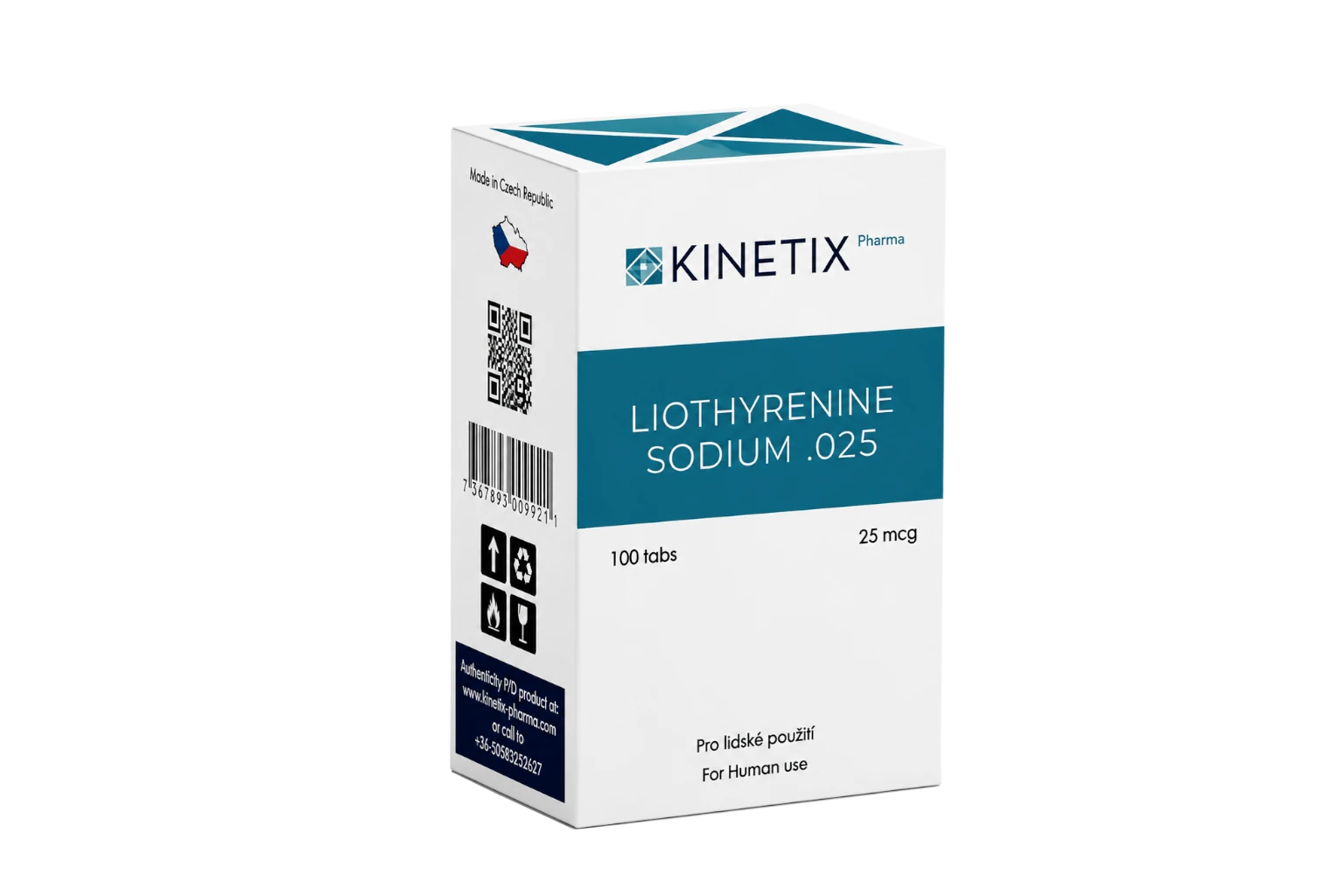
  • Technical Name: Liothyronine Sodium 25 mcg, Comprimidos para Uso Humano
  • Laboratory / Brand: Kinetix Pharma
  • Active Ingredient (INN): Liotironina sódica (Triyodotironina Sódica)
  • Pharmaceutical Form: Comprimidos para Administración Oral (tabletas)
  • Concentration: 25 mcg / tablets
  • CAS Number: 6893-02-3
  • Internal SKU: SKU-LIOTHYRONINE-25MCG-100TABS-6893023
Kinetix Pharma Liotironina sódica (Triyodotironina Sódica) Comprimidos para Administración Oral (tabletas) CAS: 6893-02-3
Thumbnail
Product · hormonales

LIOTIRONINA SÓDICA · 25 MCG | Metabolismo Acelerado. Definición Máxima

New Release Recovery Longevity & Performance

100 Servings Per Container: US$0.59 / serving

(No reviews)
US$58.65 USD
In stock (10,000 piece)
Liothyronine sodium 25 mcg tablets, from Kinetix Pharma. Each package contains 100 tablets of 25 mcg each. This is a pharmaceutical-grade medication intended for human use. The active ingredient is liothyronine sodium (T3), the synthetic form of the thyroid hormone triiodothyronine, the biologically active form of thyroid hormone. Acts by increasing basal metabolic rate and fat oxidation. It is approximately 3-5 times more potent than T4 and acts within hours. CAS: 6893-02-3. Molecular formula: C₁₅H₁₁I₃NNaO₄. Store at 2-8°C in a dry place protected from light. WARNING: This product is a prescription medication. Its use must be supervised by a physician. Inappropriate use can suppress endogenous thyroid function.

Liothyronine sodium is the synthetic form of the thyroid hormone triiodothyronine (T3), the biologically active form of thyroid hormone . T3 acts directly on cellular metabolism, increasing energy expenditure and fat oxidation, making it a tool for those seeking a more defined body composition. The problem it solves: For the athlete in a cutting phase or the adult seeking to maximize fat burning, metabolism can slow down due to prolonged caloric restriction. Exogenous T3 can help maintain an elevated metabolism, facilitating fat loss without compromising energy or performance .

T3 is the most potent and fastest-acting form of thyroid hormone. Unlike T4 (levothyroxine), T3 does not need to be converted in the body to exert its biological effects . It binds directly to nuclear receptors to activate gene transcription and protein synthesis, regulating the metabolism of lipids, carbohydrates, and proteins . It is approximately 3-5 times more potent than T4 and acts within hours . Recent 2025-2026 research has demonstrated that T3 action is critically shaped by tissue-specific mechanisms that regulate intracellular hormone availability and signaling, allowing fine-tuned, physiological state-specific control of metabolic activity . In an experimental hyperthyroidism model in rats (2025), it was observed that T3 reduces muscle membrane rigidity and improves insulin sensitivity, with a higher proportion of unsaturated fatty acids in muscle fibers .

Primary Benefit: Metabolic Acceleration and Energy Expenditure

At its core, T3 increases basal metabolic rate (BMR), resulting in greater calorie burning at rest and during exercise . Hyperthyroidism is associated with a 25-80% increase in BMR . This facilitates the creation of a caloric deficit necessary for fat loss. Additionally, T3 can increase fatty acid oxidation and oxygen consumption at the muscle level . T3 acts as a potent thermogenic agent, increasing body heat production through modulation of mitochondrial uncoupling proteins (UCPs) and activation of the Na+/K+-ATPase pump .

Secondary Benefits: Body Composition and Metabolic Performance

T3's direct action on cellular metabolism offers additional benefits that impact body composition and performance:

Enhanced Fat Oxidation: T3 increases fatty acid oxidation and oxygen consumption at the muscle level, promoting the utilization of fats as an energy source . Local activation of T3 signaling, particularly through type 2 deiodinase (D2), facilitates mitochondrial adaptation and muscle remodeling during exercise .

Muscle Mass Preservation: T3 use has been associated with weight loss, primarily at the expense of body fat. However, it can also affect muscle mass if not accompanied by adequate protein intake and strength training . Combination with an anabolic steroid cycle is common to preserve muscle during fat loss . Studies in hyperthyroid animal models have demonstrated that T3 can modulate muscle fiber composition and contractility .

Regulation of Lipid and Carbohydrate Metabolism: T3 regulates the metabolism of lipids, carbohydrates, and proteins through activation of gene transcription and protein synthesis . Recent research (2026) has demonstrated that T3 can attenuate liver fat accumulation in metabolic syndrome models through miR-375-3p-dependent mechanisms .

Improved Insulin Sensitivity: Recent studies (2025) in hyperthyroid animals show that T3 improves insulin sensitivity, with a higher proportion of unsaturated fatty acids in muscle fibers . T3 also modulates metabolic flexibility, enabling coordinated control of substrate utilization, mitochondrial function, and energy expenditure under diverse physiological conditions .

Pairing Strategy: Liothyronine Sodium

Liothyronine sodium is typically administered as a standalone agent for metabolic acceleration and fat loss. Its combination with an appropriate resistance training protocol, controlled nutrition with high protein intake, and moderate caloric deficit can potentiate fat loss effects while preserving muscle mass . Combination with anabolic steroids is common to preserve muscle during fat loss . Combination with other thyroid agents or stimulants is not recommended without proper medical supervision.
Subscribe Offer Save 10% on your purchase US$52.79 US$58.65 -10%
One-time purchase One-time payment, no commitment US$58.65
First purchase Save 5% on your first purchase US$55.72 US$58.65 -5%
Secure payment
Free shipping over $75*
Money back guarantee
Rating 4.8/5
View full event

LIOTIRONINA SÓDICA · 25 MCG | Metabolismo Acelerado. Definición Máxima

Liothyronine Sodium: Metabolismo Acelerado. Definición Máxima.

Para el atleta en fase de definición y el adulto que busca maximizar la quema de grasa sin perder energía, la liothyronina sódica (T3) representa la herramienta metabólica más potente para acelerar el gasto energético y lograr una composición corporal definida. Esta forma sintética de la hormona tiroidea activa actúa directamente sobre el metabolismo celular, aumentando la oxidación de grasas y el consumo de calorías en reposo.

Beneficio Principal: Aceleración del Metabolismo

La T3 es la forma más potente y de acción más rápida de la hormona tiroidea, aproximadamente 3-5 veces más potente que la T4 . Los estudios clínicos y de investigación han demostrado:

Aumento de la tasa metabólica basal del 25-80% .

Aumento de la oxidación de ácidos grasos y el consumo de oxígeno a nivel muscular .

Aumento de la producción de calor corporal (termogénesis) .

Acción directa sobre los receptores nucleares sin necesidad de conversión previa .

Beneficios Adicionales: Composición Corporal y Rendimiento

Pérdida de Grasa Eficiente: Facilita la creación de un déficit calórico necesario para la pérdida de grasa .

Preservación Muscular: Cuando se combina con adecuado aporte proteico y entrenamiento, ayuda a preservar la masa muscular .

Mejora Metabólica: Regula el metabolismo de lípidos, carbohidratos y proteínas .

Investigación Reciente (2025-2026): Estudios demuestran que la T3 mejora la sensibilidad a la insulina y modula la flexibilidad metabólica .

Ideal para la Definición y la Quema de Grasa

La liothyronina sódica es la elección perfecta para ciclos de definición y pérdida de grasa, donde el objetivo es mantener un metabolismo elevado mientras se maximiza la oxidación de grasas y se preserva la masa muscular.
Key Benefits of Liothyronine Sodium Increased Basal Metabolic Rate (BMR) T3 is the primary regulator of basal metabolic rate, the number of calories the body burns at rest . Hyperthyroidism is associated with a 25-80% increase in BMR . This increase in resting energy expenditure facilitates fat loss even without significant changes in physical activity or caloric intake. T3 exerts its thermogenic effect through modulation of mitochondrial uncoupling proteins (UCPs) and activation of the Na+/K+-ATPase pump . Increased Fatty Acid Oxidation T3 increases fatty acid oxidation and oxygen consumption at the muscle level, promoting the utilization of fats as an energy source . Local activation of T3 signaling, particularly through type 2 deiodinase (D2), facilitates mitochondrial adaptation and muscle remodeling during exercise . This effect is especially beneficial during aerobic exercise and in cold climates, where cold-induced thermogenesis stimulates D2 expression in brown adipose tissue . Improved Body Composition and Fat Loss T3 use has been associated with weight loss, primarily at the expense of body fat . T3 facilitates the creation of a caloric deficit necessary for fat loss by increasing total energy expenditure . However, T3 can also affect muscle mass if not accompanied by adequate protein intake and strength training . Combination with an anabolic steroid cycle is common to preserve muscle during fat loss . Regulation of Lipid and Carbohydrate Metabolism T3 regulates the metabolism of lipids, carbohydrates, and proteins through activation of gene transcription and protein synthesis . Recent research (2026) has demonstrated that T3 can attenuate liver fat accumulation in metabolic syndrome models through miR-375-3p-dependent mechanisms . T3 also modulates metabolic flexibility, enabling coordinated control of substrate utilization, mitochondrial function, and energy expenditure under diverse physiological conditions . Improved Insulin Sensitivity Recent studies (2025) in hyperthyroid animals show that T3 improves insulin sensitivity, with a higher proportion of unsaturated fatty acids in muscle fibers . T3 also modulates metabolic flexibility, enabling coordinated control of substrate utilization, mitochondrial function, and energy expenditure . 2026 research has demonstrated that T3 can attenuate liver fat accumulation in metabolic syndrome models . Potency and Rapid Action T3 is the most potent and fastest-acting form of thyroid hormone. It is approximately 3-5 times more potent than T4 and acts within hours . Unlike T4, T3 does not need to be converted in the body to exert its biological effects . T3 binds directly to nuclear receptors to activate gene transcription and protein synthesis, regulating the metabolism of lipids, carbohydrates, and proteins . Enhanced Physical Performance T3 can improve physical performance by increasing energy availability and fat oxidation . Recent studies (2026) have demonstrated that T3 action in skeletal muscle is fundamental for mitochondrial adaptation and muscle remodeling during exercise . T3 modulates muscle fiber composition and contractility in hyperthyroid animal models
Function and Mechanism of Action of Liothyronine Sodium Liothyronine sodium is the sodium salt of triiodothyronine (T3), the biologically active form of thyroid hormone. T3 is produced endogenously by deiodination of thyroxine (T4) in peripheral tissues, primarily through type 2 deiodinase (D2) . Exogenous T3 administered as liothyronine sodium does not require prior conversion to exert its biological effects . Detailed Mechanism of Action: Thyroid Hormone Receptor Binding: T3 binds to thyroid hormone receptors (TRα and TRβ) in the nucleus of target cells . T3 binding to the receptor induces a conformational change that allows dissociation of corepressor proteins and recruitment of coactivator proteins, activating gene transcription . This process regulates the expression of genes involved in energy metabolism, mitochondrial function, and thermogenesis. Basal Metabolic Rate Regulation: T3 increases basal metabolic rate through several mechanisms, including modulation of mitochondrial uncoupling proteins (UCPs) and activation of the Na+/K+-ATPase pump . Hyperthyroidism is associated with a 25-80% increase in BMR . Thermogenesis Activation: T3 increases body heat production (thermogenesis) through activation of UCPs in mitochondria . Cold-induced thermogenesis stimulates D2 expression in brown adipose tissue, increasing local T3 production and activating thermogenic gene expression such as UCP1 . Metabolic Flexibility Modulation: Recent research (2026) has demonstrated that T3 action is critically shaped by tissue-specific mechanisms that regulate intracellular hormone availability and signaling, allowing fine-tuned, physiological state-specific control of metabolic activity . T3 modulates metabolic flexibility, enabling coordinated control of substrate utilization, mitochondrial function, and energy expenditure under diverse physiological conditions . Regulation of Lipid and Carbohydrate Metabolism: T3 regulates the metabolism of lipids, carbohydrates, and proteins through activation of gene transcription . Recent research (2026) has demonstrated that T3 can attenuate liver fat accumulation in metabolic syndrome models through miR-375-3p-dependent mechanisms . Comparison with T4: T3 is approximately 3-5 times more potent than T4 and acts within hours . Unlike T4, T3 does not need to be converted in the body to exert its biological effects . T4 requires conversion to T3 through deiodinases (D1 and D2) to be biologically active
How to Use Liothyronine Sodium Route of Administration: Oral. Liothyronine sodium is administered as tablets for oral ingestion. Tablets should be swallowed whole with water . Dosage: Dosage should be determined by a physician according to indications and patient condition. General dosage guidelines for liothyronine sodium include: Initial Dose: 12.5-25 mcg per day . Dose Escalation: Gradually increase in 12.5-25 mcg increments every 1-2 weeks according to response and tolerance . Maintenance Dose: 25-75 mcg per day, divided into 2-3 administrations . Maximum Dose: Generally not recommended to exceed 75-100 mcg per day without medical supervision . Frequency: Daily doses are divided into 2-3 administrations throughout the day due to T3's short half-life (approximately 24 hours) . Treatment Duration: Depends on the type and intensity of symptoms. For definition and fat loss cycles, cycles of 4-8 weeks are recommended . Prolonged treatment without medical supervision can suppress endogenous thyroid function. Storage: Store in a cool, dry place, protected from light and at controlled temperature (2-8°C). Keep out of reach of children. Important Notice: Product intended FOR HUMAN USE under medical supervision. Liothyronine sodium is a prescription medication and its use must be supervised by a physician. Inappropriate use of thyroid hormones can suppress endogenous thyroid function and cause serious side effects . Contraindications include untreated hyperthyroidism, untreated adrenal insufficiency, and severe cardiovascular disease . Reported side effects include palpitations, nervousness, insomnia, excessive weight loss, and tremors
Ingredients of Liothyronine Sodium Active Ingredient: Liothyronine Sodium (Triiodothyronine Sodium): The sodium salt of triiodothyronine (T3), the biologically active form of thyroid hormone . Acts by increasing basal metabolic rate and fat oxidation. Molecular formula: C₁₅H₁₁I₃NNaO₄. Molecular weight: 672.96 g/mol . CAS: 6893-02-3 . Excipients: Each 25 mcg tablet contains the following excipients (according to standard liothyronine sodium formulations): Lactose monohydrate: Used as an excipient and bulking agent. Corn starch: Used as a disintegrant and bulking agent. Microcrystalline cellulose: Used as a bulking agent and disintegrant. Magnesium stearate: Used as a lubricant. Colloidal anhydrous silica: Used as a flow agent. Note: Specific excipients may vary by manufacturer. Consult the product leaflet for the complete list of excipients. Note for Users: This product is a pharmaceutical-grade medication manufactured under strict quality control standards (GMP) by Kinetix Pharma. Each package contains 100 tablets of 25 mcg each.
Onset Time & Expected Results of Liothyronine Sodium Onset of Action (Hours to Days): Liothyronine sodium begins acting within hours after oral administration . Effects on metabolism and energy expenditure are observed within the first days of treatment. T3 has a short half-life (approximately 24 hours), allowing rapid onset of action and rapid dose adjustment. Measurable Benefits (1-2 Weeks): The first measurable changes in metabolic rate, energy levels, and body composition begin to be visible within the first 1-2 weeks of consistent use. Research studies have demonstrated that T3 can significantly increase basal metabolic rate . Full Effect (4-8 Weeks): For maximum fat loss and complete body composition improvement, the full effect often requires 4-8 weeks of consistent use according to the research protocol. The duration of the T3 cycle for definition and fat loss is typically 4-8 weeks . Factors Influencing Results: The speed and magnitude of results depend on dose administered, administration frequency, adherence to the treatment protocol, the patient's baseline condition, nutrition quality, caloric deficit, training type, and individual metabolism.
Clinical Research & 3rd Party Test Results of Liothyronine Sodium Scientific evidence on liothyronine sodium comes from decades of medical use, clinical studies, and recent 2025-2026 research that has deepened understanding of the tissue-specific mechanisms of T3 action . Clinical and Research Evidence: Basal Metabolic Rate Regulation: T3 is the primary regulator of basal metabolic rate. Hyperthyroidism is associated with a 25-80% increase in BMR . T3 exerts its thermogenic effect through modulation of mitochondrial uncoupling proteins (UCPs) and activation of the Na+/K+-ATPase pump . Fatty Acid Oxidation: T3 increases fatty acid oxidation and oxygen consumption at the muscle level . Local activation of T3 signaling through D2 facilitates mitochondrial adaptation and muscle remodeling during exercise . Hepatic Metabolism Regulation: Recent research (2026) has demonstrated that T3 can attenuate liver fat accumulation in metabolic syndrome models through miR-375-3p-dependent mechanisms . Metabolic Flexibility: 2026 studies have demonstrated that T3 action is critically shaped by tissue-specific mechanisms that regulate intracellular hormone availability and signaling, allowing fine-tuned, physiological state-specific control of metabolic activity . T3 modulates metabolic flexibility, enabling coordinated control of substrate utilization, mitochondrial function, and energy expenditure under diverse physiological conditions . Muscle Composition: Studies in hyperthyroid animal models have demonstrated that T3 modulates muscle fiber composition and contractility . Recent research (2025) in hyperthyroid animals shows that T3 improves insulin sensitivity, with a higher proportion of unsaturated fatty acids in muscle fibers . Evidence on Deiodinases: Type 2 Deiodinase (D2): D2 is a major determinant of intracellular T3 production and metabolic regulation . D2 is expressed in metabolically active tissues such as skeletal muscle and brown adipose tissue, where it supports specific functions related to energy expenditure . Type 1 Deiodinase (D1): D1 is predominantly expressed in liver, kidney, and thyroid, where it contributes substantially to circulating T3 production . Type 3 Deiodinase (D3): D3 terminates T3 action by converting T4 to reverse T3 (rT3) and T3 to T2, attenuating T3-dependent transcriptional responses . Safety Considerations: Contraindications: Untreated hyperthyroidism, untreated adrenal insufficiency, and severe cardiovascular disease . Side Effects: Palpitations, nervousness, insomnia, excessive weight loss, tremors, and in rare cases, angina or cardiac arrhythmias . Regulatory Status: Liothyronine sodium is a prescription medication. Kinetix Pharma Quality Standards: Pharmaceutical Grade: Pharmaceutical-grade product for human use. Manufacturing: Manufactured under strict GMP standards by Kinetix Pharma. Quality Control: Each batch is subjected to quality control testing to ensure purity and potency.

Build Your Stack

View all
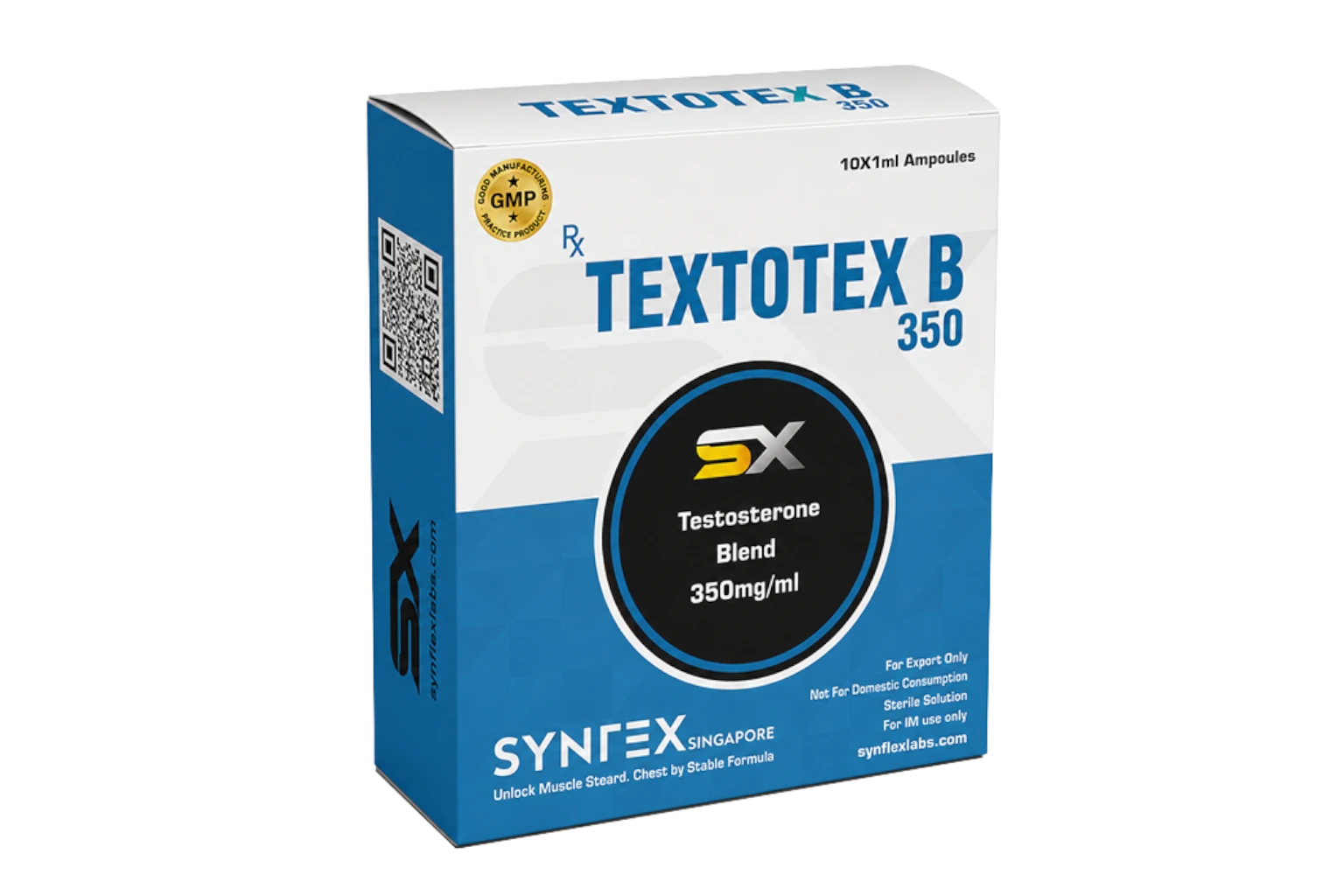
TEXTOTEX B350
TEXTOTEX B350
US$74.00
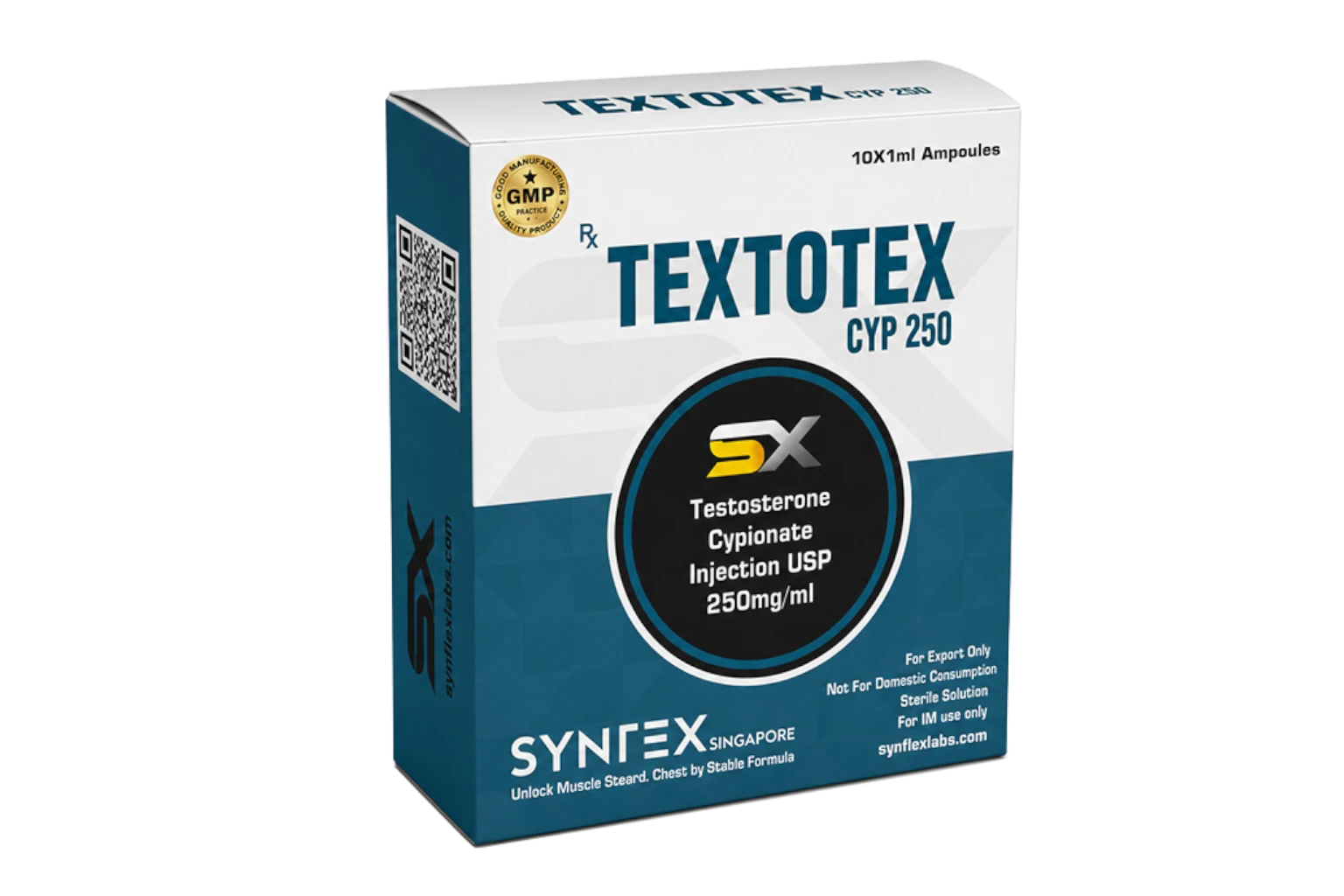
TEXTOTEX CYP 250 -Testosterona Cipionato
US$70.00
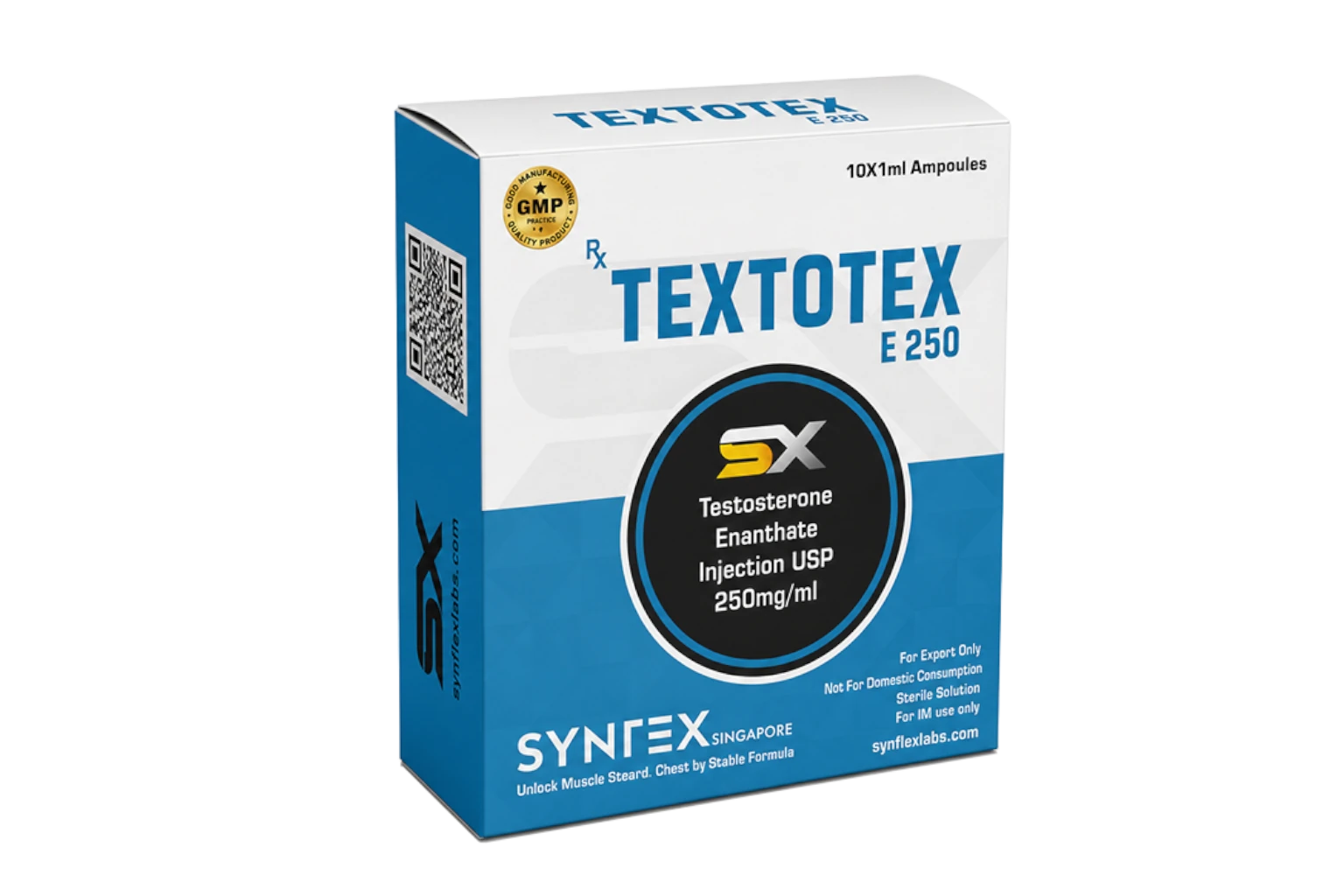
TEXTOTEX E - Testosterona Enantato
US$73.00
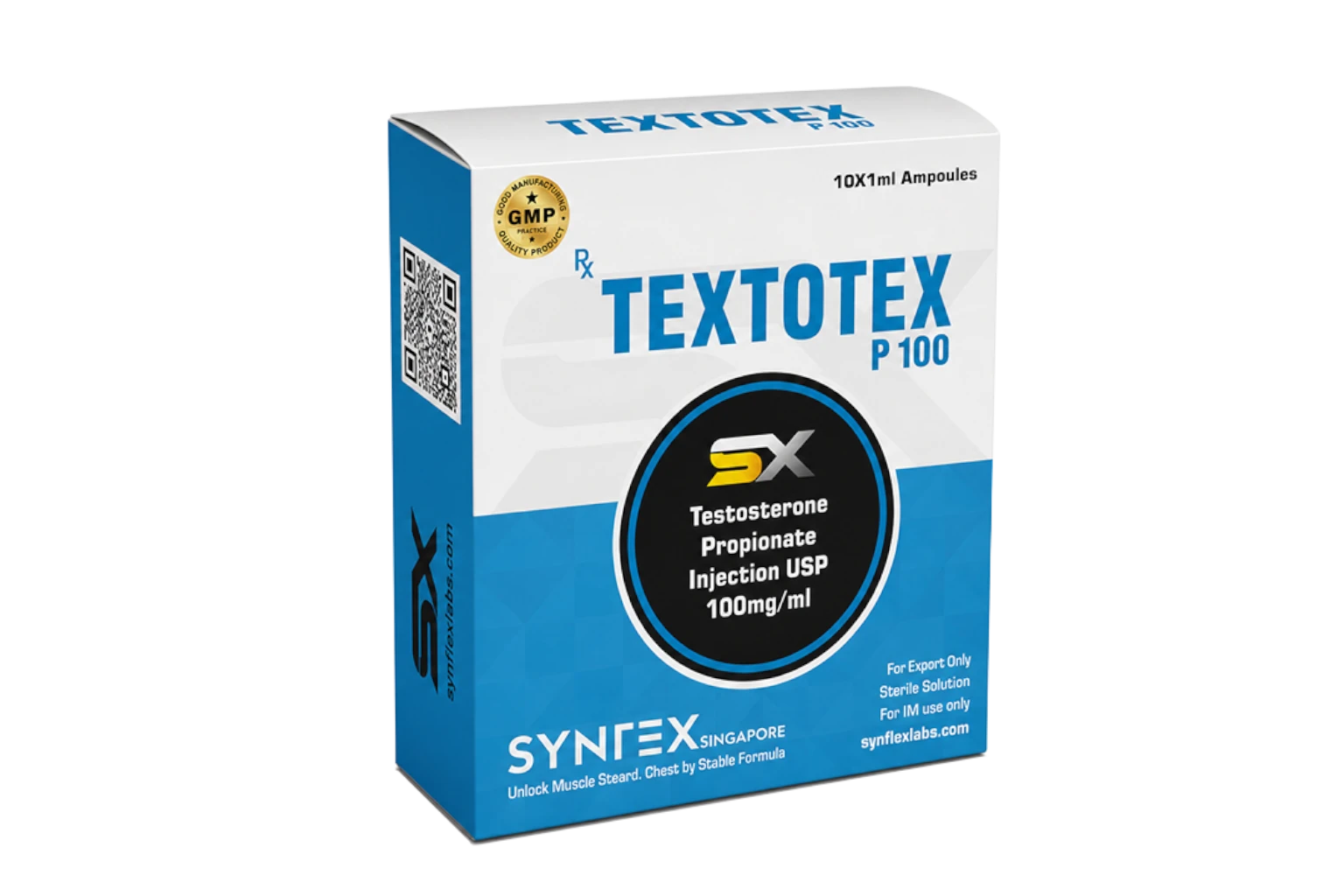
TEXTOTEX P - Testosterona Propionato
US$66.00

Frequently Asked Questions

How does shipping work?
Shipping is coordinated directly with the seller. Delivery details are agreed after purchase.
What payment methods do you accept?
We accept bank transfers, credit/debit cards, and cryptocurrencies depending on the event.
Can I return the product?
Returns are handled on a case-by-case basis. Contact the seller to agree on return terms.
LIOTIRONINA SÓDICA · 25 MCG  | Metabolismo Acelerado. Definición Máxima LIOTIRONINA SÓDICA · 25 MCG | Metabolismo Acelerado. Definición Máxima LIOTIRONINA SÓDICA…
1