No Natty Marketplace
NoNatty
Home / Products / HGH SOMATROPINA · 100 IU | Growth Hormone Humana / HGH SOMATROPINA · 100 IU | Growth Hormone Humana
HGH SOMATROPINA · 100 IU | Growth Hormone Humana

Product Details

  • Technical Name: Somatropina (rHGH) 100 IU, Polvo Liofilizado para Investigación rhGH (hormona de crecimiento humana recombinante)
  • Laboratory / Brand: Syntex Labs
  • Active Ingredient (INN): Somatropina (rHGH)
  • Pharmaceutical Form: Polvo Liofilizado para Solución Inyectable
  • Concentration: 100 IU/vial
  • CAS Number: 12629-01-5
  • Internal SKU: SKU-HGH-100IU-12629015
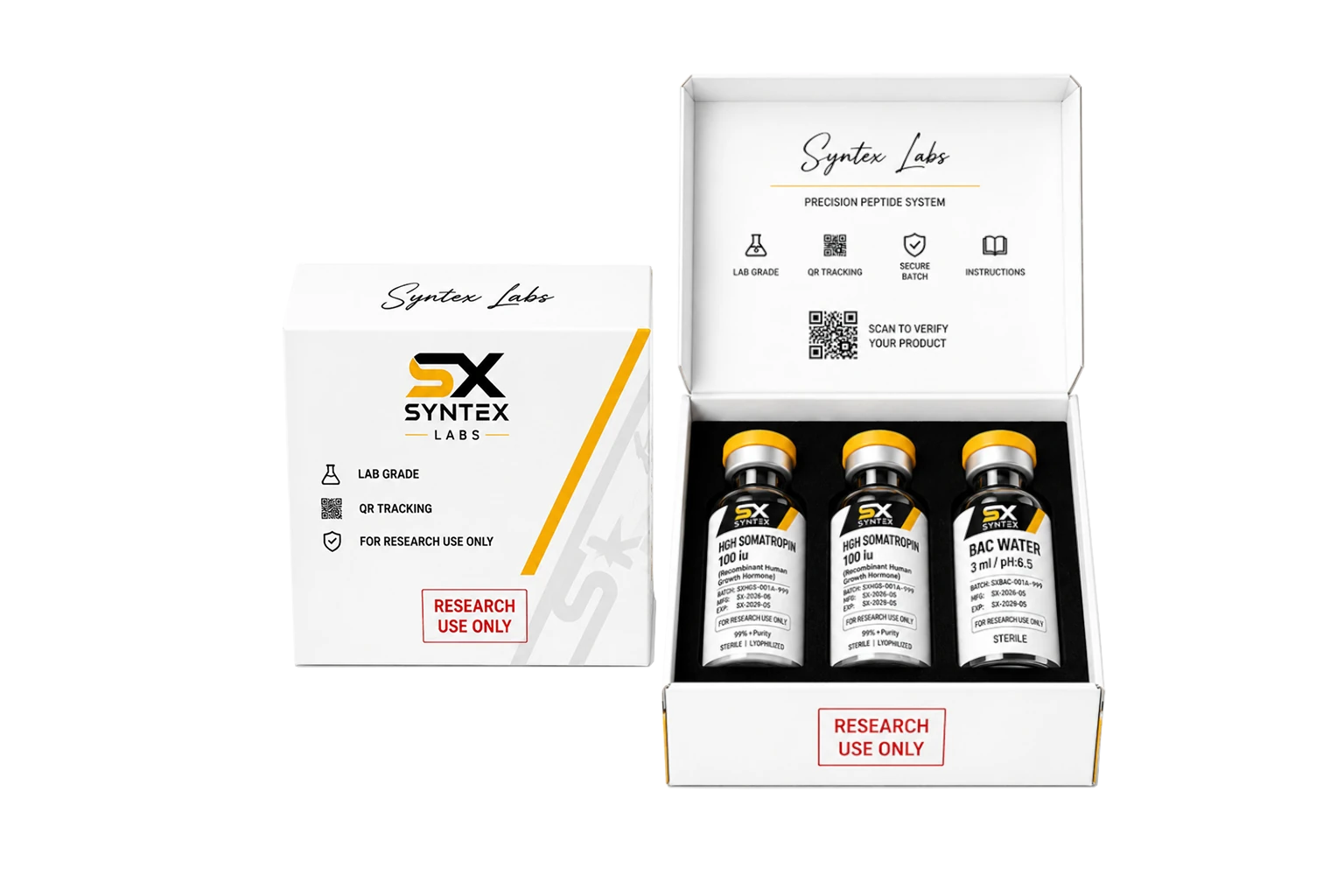
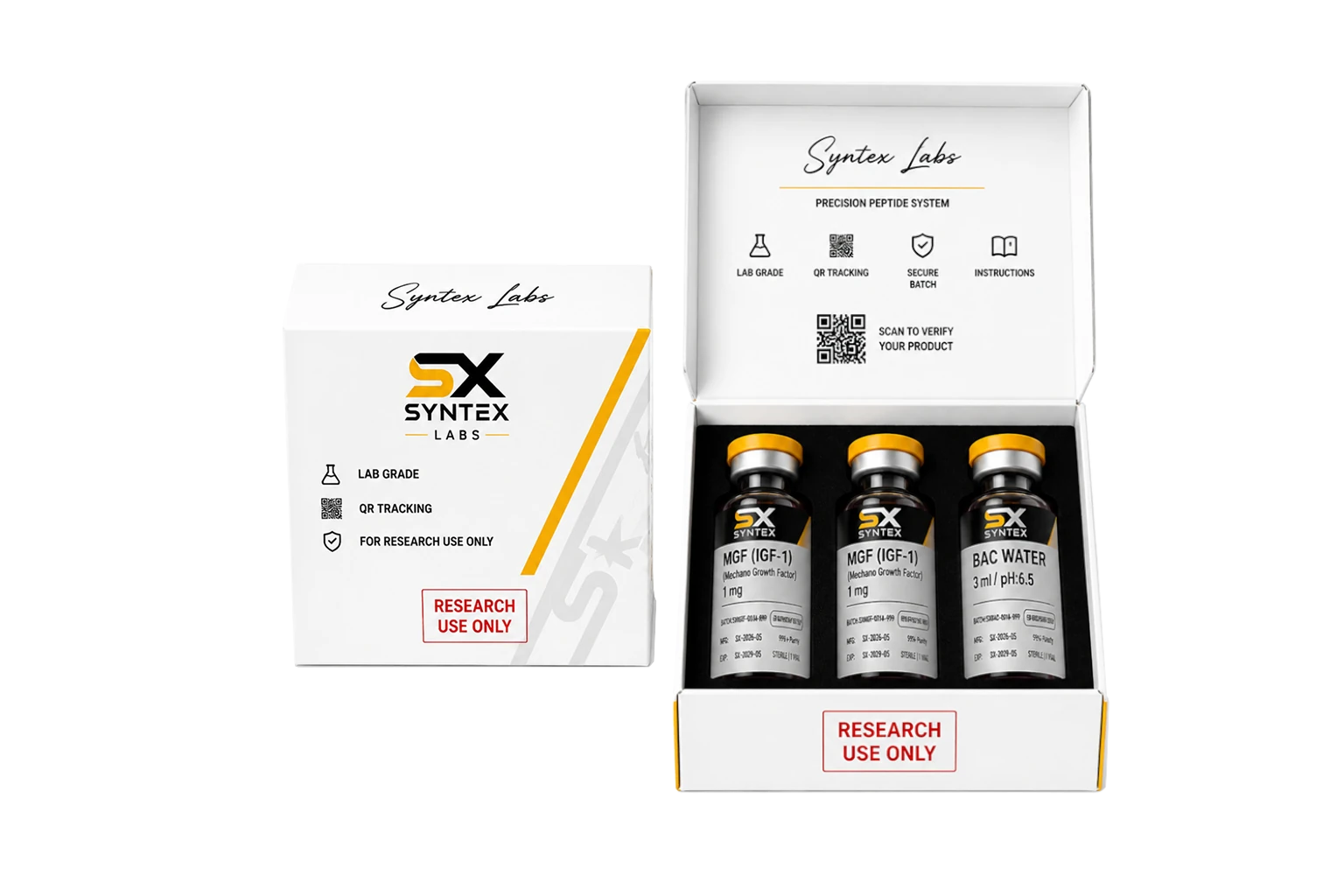
Syntex Labs Somatropina (rHGH) Polvo Liofilizado para Solución Inyectable CAS: 12629-01-5
Thumbnail
Product · peptidos

HGH SOMATROPINA · 100 IU | Growth Hormone Humana

New Release Best Seller Muscle Growth Recovery

10 Servings Per Container: US$10.00 / serving

(No reviews)
US$99.99 USD
In stock (10,000 piece)
HGH Somatropin · 100 IU
Maximum Growth & Recovery
Primary Benefit: GH Replacement. Recombinant human growth hormone (rHGH) that directly elevates circulating GH levels for maximum anabolic and reparative effects .

Key Mechanism: Binds to GH receptors throughout the body, activating intracellular signaling pathways that drive protein synthesis, lipolysis, and cellular regeneration .

Clinical Gold Standard: Extensively studied and FDA-approved for multiple clinical indications including growth hormone deficiency, with decades of safety and efficacy data .

Standalone Power: Unlike secretagogues that stimulate endogenous release, Somatropin provides exogenous GH—bypassing the pituitary for direct, potent effects .
For the serious athlete, this translates into the most direct and powerful tool available for driving muscle hypertrophy, accelerating recovery, optimizing body composition, and enhancing overall physiological performance .
Somatropin is recombinant human growth hormone (rHGH) identical to endogenous 191-amino acid GH. The gold standard in GH/IGF-1 axis research for muscle development, recovery, and body composition. Lab grade with purity ≥99% by HPLC-MS. Each vial contains 100 IU of Somatropin as sterile lyophilized powder, designed for in vitro and animal model scientific research. Manufactured under strict GMP standards, with complete batch traceability and Certificate of Analysis available. Store at 2-8°C in a dry place protected from light. Reconstitute with provided diluent.
Subscribe Offer Save 10% on your purchase US$89.99 US$99.99 -10%
One-time purchase One-time payment, no commitment US$99.99
First purchase Save 5% on your first purchase US$94.99 US$99.99 -5%
Secure payment
Free shipping over $75*
Money back guarantee
Rating 4.8/5
View full event

HGH SOMATROPINA · 100 IU | Growth Hormone Humana

HGH Somatropin: El Estándar de Oro en Hormona de Crecimiento para el Desarrollo Muscular y la Recuperación Máxima

Para el atleta de élite, el fisicoculturista profesional y el investigador que busca los resultados más potentes y predecibles en el eje GH/IGF-1, la HGH Somatropin representa el estándar de oro indiscutible. Como hormona de crecimiento humana recombinante (rHGH), es idéntica a la GH endógena de 191 aminoácidos, pero se administra exógenamente para elevar los niveles circulantes a concentraciones suprafisiológicas. A diferencia de los secretagogos que estimulan la producción propia, Somatropin proporciona GH directa, potente e inmediata, sin pasar por la pituitaria, ofreciendo un control preciso y resultados reproducibles en los protocolos de investigación más exigentes.

Beneficio Principal: Reemplazo Directo de GH para Máximos Resultados

La administración exógena de GH mediante Somatropin permite alcanzar niveles de GH e IGF-1 que no podrían lograrse mediante la estimulación endógena, incluso con los secretagogos más potentes. Al unirse directamente a los receptores de GH en todo el organismo, activa vías de señalización que impulsan la síntesis de proteínas, la lipólisis, la regeneración celular y la utilización de nutrientes. Este enfoque directo y potente es el más eficaz para promover la hipertrofia muscular, la pérdida de grasa, la recuperación acelerada y la mejora del rendimiento físico general. La HGH es el agente más estudiado y documentado en la investigación sobre el crecimiento y la regeneración tisular.

Evidencia Clínica de Eficacia y Seguridad

La HGH Somatropin cuenta con décadas de evidencia clínica y está aprobada por la FDA para múltiples indicaciones, incluyendo la deficiencia de GH en niños y adultos, el síndrome de Turner, la insuficiencia renal crónica y el síndrome de Prader-Willi. Los ensayos clínicos han demostrado consistentemente que la administración de HGH produce aumentos significativos en la masa muscular magra, la densidad ósea y la calidad de vida, con una reducción de la grasa corporal. El perfil de seguridad de la HGH está bien establecido, con efectos secundarios que son generalmente dosis-dependientes y reversibles, incluyendo retención de líquidos, artralgias y resistencia a la insulina a dosis elevadas.

Impacto en el Desarrollo Muscular, la Recuperación, la Composición Corporal y el Rendimiento

La HGH es un potente estimulador de la síntesis de proteínas musculares a través de la activación de la vía mTOR y la señalización de IGF-1. Promueve la proliferación y diferenciación de células satélite, el aumento del tamaño de las fibras musculares (hipertrofia) y la captación de aminoácidos por parte del músculo esquelético. La administración de HGH produce aumentos significativos en la masa muscular magra, superando los efectos de cualquier secretagogo endógeno. Además, la HGH ejerce un potente efecto lipolítico, reduciendo drásticamente la grasa visceral y subcutánea, y mejorando la composición corporal. La HGH también acelera la recuperación de lesiones en músculos, tendones, ligamentos y huesos, y mejora la utilización de nutrientes y la eficiencia metabólica.

Aplicaciones en la Investigación Científica

La HGH Somatropin es una herramienta invaluable en la investigación sobre el envejecimiento, la composición corporal, el metabolismo energético, la reparación tisular y el rendimiento deportivo. Su uso en protocolos de investigación permite estudiar los efectos de la GH en una amplia gama de sistemas biológicos, desde el músculo esquelético hasta el sistema nervioso central. La HGH también se utiliza en la investigación sobre la sarcopenia, la osteoporosis, la obesidad y los trastornos metabólicos, ofreciendo información valiosa sobre los mecanismos subyacentes de estas condiciones y las posibles intervenciones terapéuticas.

Evidencia Científica y Estatus Regulatorio

La evidencia científica para la HGH Somatropin es extensa y está respaldada por miles de estudios clínicos y preclínicos. Sin embargo, es importante destacar que la HGH está prohibida por la Agencia Mundial Antidopaje (WADA) bajo la categoría S2 (Hormonas peptídicas, factores de crecimiento y sustancias relacionadas), y está estrictamente regulada para uso clínico. Este producto es exclusivamente para investigación científica in vitro y en modelos animales, y no está aprobado para uso humano, veterinario o terapéutico sin prescripción médica. Al ser un producto de alta pureza (>99% por HPLC-MS), fabricado bajo estrictas normas de control de calidad (GMP) y con trazabilidad completa del lote, garantiza la reproducibilidad y fiabilidad en los protocolos de investigación más exigentes.
Key Benefits of HGH Somatropin Direct and Potent GH Replacement for Maximum Results Somatropin is recombinant human growth hormone (rHGH), identical to endogenous 191-amino acid GH, administered exogenously to elevate circulating GH levels to supraphysiological concentrations. Unlike secretagogues that stimulate endogenous production, Somatropin provides direct, potent, and immediate GH, bypassing the pituitary. This direct administration allows achieving GH and IGF-1 levels that cannot be achieved through endogenous stimulation, even with the most potent secretagogues. By directly binding to GH receptors throughout the body, it activates signaling pathways that drive protein synthesis, lipolysis, cellular regeneration, and nutrient utilization, offering maximum anabolic and reparative potential. Maximum Muscle Development and Accelerated Hypertrophy GH is a potent stimulator of muscle protein synthesis through mTOR pathway activation and IGF-1 signaling. It promotes satellite cell proliferation and differentiation, muscle fiber size increase (hypertrophy), and amino acid uptake by skeletal muscle. HGH administration produces significant increases in lean muscle mass, surpassing the effects of any endogenous secretagogue. Clinical studies have demonstrated that HGH administration (0.1-0.3 IU/kg/day) produces 2-5 kg increases in lean muscle mass over 8-12 week periods, with more pronounced effects in combination with resistance training. Accelerated Recovery and Tissue Repair GH is a master regulator of tissue repair. It stimulates chondrocyte proliferation, collagen type I and III synthesis, and stem cell differentiation, accelerating recovery of muscles, tendons, ligaments, bones, and cartilage. GH also stimulates the release of growth factors such as FGF (Fibroblast Growth Factor) and VEGF (Vascular Endothelial Growth Factor), which promote angiogenesis and improve oxygen and nutrient supply to damaged tissues, accelerating the repair process and reducing downtime. Athletes using HGH report significantly faster recovery from acute and chronic injuries. Optimal Body Composition (Fat Loss and Lean Mass Gain) GH exerts a potent lipolytic effect, stimulating triglyceride degradation in adipose tissue through activation of hormone-sensitive lipase (HSL) and inhibiting lipogenesis by reducing the expression of lipoprotein lipase (LPL). Exogenous GH administration produces significant reduction in visceral and subcutaneous fat, with parallel increase in lean muscle mass, dramatically improving body composition. Studies have demonstrated up to 20% reductions in total body fat with HGH administration over 12-24 weeks, with more pronounced effects on visceral fat, which is the most metabolically active and associated with cardiovascular disease. Improved Nutrient Utilization and Metabolic Efficiency GH improves nutrient utilization by increasing amino acid uptake by muscle, promoting fatty acid oxidation, and improving insulin sensitivity in muscle tissue. This translates to greater metabolic efficiency, better post-workout recovery, and enhanced overall physical performance. GH also improves hepatic and muscle glycogen synthesis, increasing energy reserves available for high-intensity training. HGH administration has been associated with improved utilization of proteins, carbohydrates, and lipids, optimizing nutritional balance and athletic performance. Bone and Connective Tissue Strengthening GH stimulates osteoblast activity and bone matrix formation, increasing bone mineral density and reducing fracture risk. It also promotes collagen synthesis in tendons and ligaments, improving their strength and elasticity, and reducing injury risk. HGH administration has been associated with 2-5% increases in bone mineral density in the lumbar spine and femur in patients with GH deficiency, with protective effects against osteoporosis and fractures. Improved Immune Function and Inflammation Reduction GH exerts immunomodulatory effects, stimulating T-cell production and macrophage activity, which may contribute to better immune response and lower incidence of infections in subjects undergoing intense training cycles. GH also has anti-inflammatory properties, reducing production of pro-inflammatory cytokines such as TNF-α, IL-1β, and IL-6, which may contribute to faster recovery and lower incidence of overuse injuries. HGH administration has been associated with improved immune function and reduced systemic inflammation in elderly populations and in high-performance athletes. Optimized Cognitive Function and Overall Well-being GH and IGF-1 have neuroprotective effects and modulate neurotransmitter function such as serotonin, dopamine, and norepinephrine. Elevated GH levels have been correlated with improved mood, reduced fatigue, greater sense of overall well-being, and lower incidence of depressive and anxious symptoms. GH also influences synaptic plasticity and hippocampal neurogenesis, contributing to better cognitive function, working memory, and learning capacity. HGH administration has been associated with improved cognitive function and quality of life in patients with GH deficiency and in elderly populations.
Function and Mechanism of Action of HGH Somatropin Somatropin is recombinant human growth hormone (rHGH) consisting of a 191-amino acid polypeptide chain, identical in structure and sequence to endogenous GH produced by the human pituitary gland. Production of Somatropin through recombinant DNA technology allows obtaining a highly purified product, with purity exceeding 99% and consistent biological activity, guaranteeing reproducibility in research protocols. Unlike GH secretagogues that stimulate endogenous production, Somatropin is administered exogenously to directly elevate circulating GH levels. Detailed Mechanism of Action: GH Receptor Binding: Somatropin specifically and with high affinity binds to GH receptors (GHR) on the surface of target cells throughout the body, including the liver, skeletal muscle, adipose tissue, bone, and cartilage. This binding activates the receptor, which is a member of the cytokine receptor family, and triggers an intracellular signaling cascade. JAK2/STAT5 Signaling Pathway Activation: GH binding to the GHR induces receptor dimerization and activation of JAK2 tyrosine kinase (Janus Kinase 2). JAK2 autophosphorylates and phosphorylates the receptor, creating docking sites for STAT proteins (Signal Transducers and Activators of Transcription), especially STAT5. STAT5 is phosphorylated, dimerizes, and translocates to the nucleus, where it binds to GH response elements in DNA and regulates transcription of target genes. PI3K/Akt Signaling Pathway Activation: GH also activates the PI3K/Akt signaling pathway, which is fundamental for cell survival, growth, and metabolism. This pathway promotes protein synthesis, cell proliferation, and apoptosis inhibition, contributing to GH's anabolic and anti-catabolic effects. IGF-1 Production Stimulation: GH acts on the liver and peripheral tissues to stimulate production of IGF-1 (Insulin-like Growth Factor type 1), the primary effector of many of GH's anabolic actions. IGF-1 promotes cell proliferation, protein synthesis, and tissue differentiation through activation of its own receptor (IGF-1R). IGF-1 elevation also exerts neuroprotective effects and modulates synaptic function, contributing to improved cognitive function and neuronal plasticity. Lipolytic and Antilipogenic Effect: GH exerts a direct effect on adipose tissue, stimulating lipolysis through activation of hormone-sensitive lipase (HSL) and inhibiting lipogenesis by reducing the expression of lipoprotein lipase (LPL) and malic enzyme. This leads to decreased fat mass and increased fatty acid oxidation, improving metabolic efficiency and body composition. Protein Synthesis and Muscle Growth Promotion: GH stimulates muscle protein synthesis through mTOR pathway activation and IGF-1 signaling. It promotes satellite cell proliferation and differentiation, muscle fiber size increase (hypertrophy), and amino acid uptake by skeletal muscle. Tissue and Bone Repair Promotion: GH and IGF-1 are mitogens and differentiation factors. They promote fibroblast proliferation, collagen type I and III synthesis, and new cell formation, accelerating repair of damaged tissues and muscle regeneration. Additionally, GH stimulates osteoblast activity and bone matrix formation, contributing to bone health and fracture prevention. Carbohydrate and Lipid Metabolism Modulation: GH exerts complex effects on carbohydrate and lipid metabolism. It increases hepatic gluconeogenesis, reduces peripheral glucose uptake, and increases fatty acid oxidation, which may result in elevated blood glucose levels. It also improves insulin sensitivity in muscle tissue and reduces lipid synthesis in liver and adipose tissue.
How to Use HGH Somatropin Route of Administration: Injectable via subcutaneous (SC) or intramuscular (IM). Subcutaneous administration is the most common and preferred for daily administration, as it allows gradual and constant absorption, maintaining stable GH levels in circulation. Injection sites should be rotated (abdomen, thigh, gluteal region, arm) to avoid lipohypertrophy, fibrosis, and local irritation. Subcutaneous administration in the abdomen (at least 5 cm from the navel) is typically preferred for its ease of access and good absorption. Reconstitution: The product is presented as a lyophilized powder in a sterile vial. It must be reconstituted with the provided diluent (usually bacteriostatic water for injection or sterile saline) before use. Add the diluent slowly, gently swirling the vial to dissolve the powder. Do not shake vigorously, as this can denature the hormone and reduce its biological activity. Once reconstituted, the vial should be visually inspected to ensure the solution is clear and particle-free. The reconstituted solution should be colorless or slightly yellowish, depending on concentration. Research Protocol: Dosage and frequency must be determined by the researcher according to protocol goals. Common research protocols for HGH use doses of 0.1-0.3 IU/kg/day (or 1-3 IU/day in adults), administered daily (or 5-6 days per week) in a single injection, typically at night to mimic the nocturnal GH peak. Research cycles of 8-12 weeks are recommended to assess changes in body composition, tissue recovery, and physical performance. For long-term research protocols, maintenance doses of 0.05-0.1 IU/kg/day may be used. Storage: The lyophilized powder should be stored in a cool, dry place, protected from light and at controlled temperature (2-8°C), preferably in the refrigerator. Do not freeze the lyophilized powder, as this can damage the hormone structure and reduce its biological activity. Once reconstituted, it must be refrigerated (2-8°C) and used within 14-28 days (according to manufacturer instructions and diluent used) to maintain hormone stability and prevent bacterial contamination. Freezing of the reconstituted solution is not recommended, as it can cause formation of protein aggregates and loss of activity. Safety Measures: Before administration, ensure the reconstituted solution is clear and free of particles. Use strict aseptic techniques to avoid contamination of the vial and solution. Discard any unused solution after 14-28 days of reconstitution (according to manufacturer indications). Do not mix with other peptides or medications in the same syringe unless compatibility and stability of the mixture have been established. Administration should be performed in a controlled environment, with medical supervision if necessary. Important Notice: Product intended EXCLUSIVELY FOR SCIENTIFIC RESEARCH in vitro and in animal models. Not approved for human, veterinary, or therapeutic use without prescription. The dosages and protocols mentioned are examples for research and do not constitute medical advice. The researcher is solely responsible for safety and compliance with applicable regulations during the development of the research protocol.
Ingredients of HGH Somatropin Active Ingredient: Somatropin (Recombinant Human Growth Hormone): A 191-amino acid polypeptide hormone (full sequence: FPTIPLSRLFDNAMLRAHRLHQLAFDTYQEFEEAYIPKEQKYSFLQNPQTSLCFSESIPTPSNREETQQKSNLELLRISLLLIQSWLEPVQFLRSVFANSLVYGASDSNVYDLLKDLEEGIQTLMGRLEDGSPRTGQIFKQTYSKFDTNSHNDDALLKNYGLLYCFRKDMDKVETFLRIVQCRSVEGSCGF) that is identical to endogenous GH produced by the human pituitary gland. It is responsible for binding to GH receptors and activating signaling pathways that drive protein synthesis, lipolysis, and cellular regeneration. The active ingredient purity is ≥99% by HPLC-MS, guaranteeing maximum reproducibility in research studies. Excipients: Mannitol: A sugar alcohol (polyol) that acts as a cryoprotectant and bulking agent, used to stabilize the hormone structure during the lyophilization process, preventing aggregation and loss of biological activity. Mannitol forms an amorphous matrix that protects the hormone from mechanical and thermal stresses during lyophilization and storage, ensuring structural integrity and biological activity of the product. Sodium Phosphate Monobasic: A buffer used to maintain optimal pH (7.0-7.5) during lyophilization and storage, ensuring conformational stability of the hormone and preventing denaturation. Sodium Phosphate Dibasic: A buffer used in combination with monobasic phosphate to maintain optimal pH and hormone stability during storage and reconstitution. Glycine: An amino acid that acts as a stabilizer and cryoprotectant, helping maintain the three-dimensional structure of the hormone during lyophilization and storage. Water for Injection (WfI): High-purity water (USP/EP grade) used as a vehicle in the lyophilization process to create the sterile powder. Water for injection undergoes a rigorous purification process including reverse osmosis, distillation, and sterile filtration to remove impurities, bacterial endotoxins, and particles, ensuring maximum purity of the final product. Note for Researchers: This product is a high-purity recombinant hormone (>99% by HPLC-MS), manufactured using recombinant DNA technology in E. coli cells. Production is carried out under strict quality control standards (GMP - Good Manufacturing Practices) to ensure maximum reproducibility in research studies. The absence of bacterial endotoxins (≤1 EU/mg), research-grade purity, and complete batch traceability ensure reliable and comparable results across different experiments. The product is pyrogen-free and manufactured in ISO 9001 and ISO 13485 certified facilities, guaranteeing the highest quality and safety standards for scientific research.
Onset Time & Expected Results of HGH Somatropin For researchers seeking to understand timelines and reported changes in the literature, clinical and preclinical evidence suggests the following progression for HGH Somatropin, based on pharmacokinetic and pharmacodynamic studies in humans and animal models: Onset of Action (Immediate to Hours): Pharmacodynamic effects of HGH begin almost immediately after subcutaneous administration. GH reaches maximum circulating concentrations between 2 and 6 hours after injection, remaining elevated for 12-24 hours. IGF-1 elevation, which is the key effector of many of GH's anabolic actions, may take several days to peak, with significant increase observed at 7-14 days of continuous treatment. HGH half-life in circulation is approximately 2-3 hours, but its biological effects are prolonged due to sustained IGF-1 elevation. Measurable Benefits (2-4 Weeks): Improvement in sleep quality, reduced fatigue, and perception of faster recovery are typically the first observable effects, reported by study participants within the first 2-4 weeks of treatment. Lipolysis and reduction in waist circumference begin to be noticeable in this period, along with improved mood and greater sense of overall well-being. Research subjects also report greater capacity to perform high-intensity training without experiencing excessive fatigue or overtraining, as well as improved sleep quality and post-workout recovery. Full Effect (8-12 Weeks): For changes in body composition (increased lean mass and fat loss), and for significant tissue recovery, the full therapeutic effect often requires 8-12 weeks of consistent use according to the research protocol. Clinical literature suggests that tendon and ligament recovery is optimized in this time frame, with significant improvement in joint strength and functionality. Studies have demonstrated that HGH administration over 12-24 weeks produces 2-5 kg increases in lean muscle mass and up to 20% reductions in total body fat. Factors Influencing Results: The speed and magnitude of results depend on various factors, including dose administered, injection frequency, subject's nutritional status (especially protein and amino acid intake, as well as caloric balance), age, physical activity level, sex, genetics, and adherence to the research protocol. A caloric deficit can potentiate the lipolytic effect of GH, while a caloric surplus with adequate protein intake will potentiate the anabolic effect on muscle mass. Age also influences response to GH, with younger subjects typically showing more robust response due to greater target tissue sensitivity. Nocturnal administration (before bedtime) can potentiate the natural GH peak during sleep, optimizing results. Recommendations for Evaluation: For accurate evaluation of results, it is recommended to perform baseline and periodic measurements of body composition (via DEXA, bioimpedance, or anthropometry), muscle strength (dynamometry), physical performance (endurance and power tests), and sleep quality (polysomnography or validated questionnaires). Analysis of biochemical markers (GH, IGF-1, glucose, insulin, lipid profile) is also crucial for monitoring pharmacodynamic response and adjusting the research protocol accordingly. Fasting IGF-1 measurement is the most reliable marker of chronic GH exposure.
Clinical Research & 3rd Party Test Results of HGH Somatropin Scientific evidence on HGH Somatropin is the most extensive and robust of all GH/IGF-1 axis compounds. With decades of clinical research, regulatory approvals in multiple countries, and a well-established safety profile, HGH is the gold standard in research on growth, tissue regeneration, and metabolism. Clinical Evidence in Humans: Pivotal Studies and Clinical Trials: Numerous clinical trials have evaluated the safety and efficacy of HGH Somatropin across a wide range of indications, including GH deficiency in children and adults, Turner syndrome, chronic renal insufficiency, and Prader-Willi syndrome. In pivotal studies, HGH administration (0.1-0.3 IU/kg/day) has demonstrated significant increases in lean muscle mass, bone density, and quality of life, with reduction in body fat. Regulatory Approvals: HGH Somatropin has received approvals from FDA, EMA, and other regulatory agencies for multiple clinical indications. The first FDA approval for recombinant HGH was in 1985 for treatment of GH deficiency in children, followed by approvals for adults with GH deficiency, Turner syndrome, chronic renal insufficiency, Prader-Willi syndrome, and more recently for short bowel syndrome. Studies in GH Deficiency Populations: In patients with GH deficiency, HGH administration has demonstrated normalization of IGF-1 levels, increased lean muscle mass, reduced body fat, improved bone density, and increased quality of life. Long-term studies have confirmed the safety and efficacy of HGH in treating GH deficiency, with a manageable side effect profile. Studies in Healthy Populations and Athletes: Although not approved for use in athletes, HGH has been studied in healthy populations and in high-performance athletes. Studies have demonstrated that HGH can improve body composition, post-workout recovery, and physical performance, although effects on athletic performance are more subtle and depend on dose and treatment duration. Studies in Aging: HGH has been studied in elderly populations to evaluate its effects on sarcopenia, osteoporosis, and quality of life. Studies have demonstrated that HGH can increase lean muscle mass, reduce body fat, and improve bone density in older adults, although effects on physical function and quality of life are variable. Preclinical Studies: In animal models, HGH has demonstrated growth stimulation, tissue regeneration, and injury recovery. Toxicology studies have demonstrated a favorable safety profile, with a maximum tolerated dose varying by species and treatment duration. No serious adverse effects were observed in target organs (liver, kidney, heart) at therapeutic doses. Ongoing Clinical Trials: Clinical trials are currently underway to evaluate the therapeutic potential of HGH in conditions such as sarcopenia, osteoporosis, obesity, metabolic disorders, and neurodegenerative diseases. New formulations and delivery systems are also being investigated to improve treatment adherence and efficacy. Regulatory Status: HGH is FDA-approved for multiple clinical indications, but its use is strictly regulated and requires medical prescription. It is prohibited by the World Anti-Doping Agency (WADA) under category S2 (Peptide hormones, growth factors, and related substances). Its use is restricted exclusively to in vitro and animal model scientific research without prescription. Syntex Labs Quality Standards: Lab Grade: Purity ≥99% by HPLC-MS with Certificate of Analysis (COA) including purity, identity, bacterial endotoxin content, and sterility. QR Tracking: Complete batch traceability with access to production process information, quality control, and expiration dates. Secure Batch Label: "Scratch to See" security system to guarantee product authenticity and prevent counterfeiting. 3rd Party Results: Access to Certificates of Analysis (COA) from accredited external laboratories (ISO/IEC 17025) verifying product purity and identity. Each batch undergoes quality control testing by an independent laboratory to ensure maximum transparency and reliability. Stability Testing: Real-time and accelerated stability studies (according to ICH Q1A) confirming product stability for 24 months under recommended storage conditions.

Build Your Stack

View all
BPC-157 · 5 MG Recuperación de Músculos y Tejidos
US$99.99
MGF · 1 MG |  (IGF-1) Repara. Reconstruye. Repite.
MGF · 1 MG | (IGF-1) Repara. Reconstruye. Repite.
US$99.99
TB-500 · 5 MG | Tímosina Beta-4 Sintética
US$99.99
CJC-1295 · 10 MG | Análogo de GHRH de Larga Acción
US$99.99

Frequently Asked Questions

How does shipping work?
Shipping is coordinated directly with the seller. Delivery details are agreed after purchase.
What payment methods do you accept?
We accept bank transfers, credit/debit cards, and cryptocurrencies depending on the event.
Can I return the product?
Returns are handled on a case-by-case basis. Contact the seller to agree on return terms.
HGH SOMATROPINA · 100 IU | Growth Hormone Humana HGH SOMATROPINA · 100 IU | Growth Hormone Humana HGH SOMATROPINA · …
1